
Identity, Names, and Erasure
The Shadow of the WindThis flow traces how characters use or lose names, and how identity becomes a contested record rather than a simple fact.
increasing Bearing strength in each event
 decreasing
Bearing strength in each eventdecreasingCarax and Fortuny
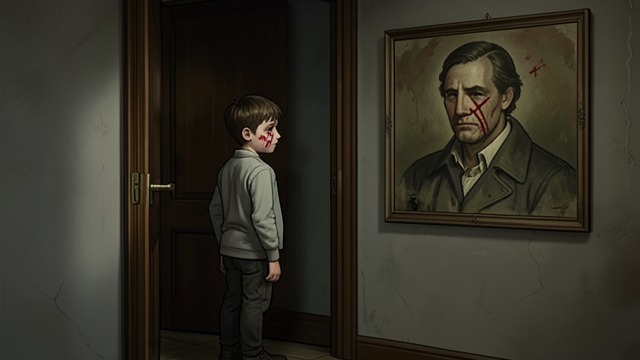
A Name Chosen Against Expectation
The Mother's Surname
Julián uses Carax rather than the surname of Antoni Fortuny, marking an identity that does not fit the household's account of paternity.
A Child Defined by Others
His father calls him a son of sin, but books and imagination allow him to invent a self beyond that accusation.
Miquel's Disappearing Life
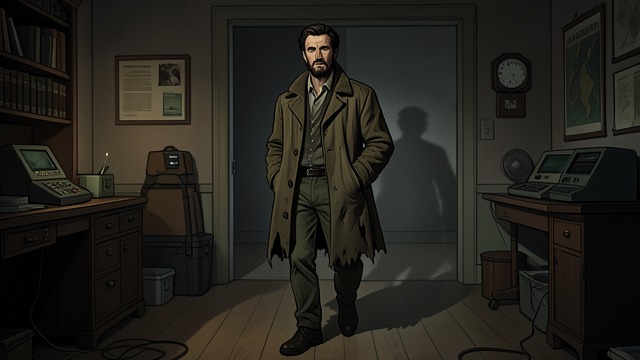
A Man Outside His Family
Rejected by Inheritance
Miquel loses his home and money to his brothers, who see his philanthropic choices as a misuse of the family fortune.
A Chosen Identity
He gives his resources and eventually his life to friendship, making his worth independent of the name and property he has inherited.
The Morgue's False Name
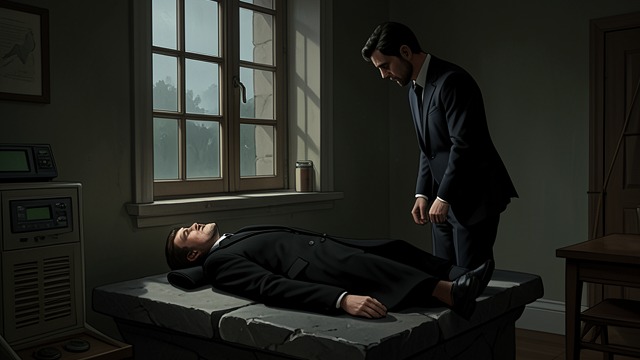
A Body Reassigned
Identity Substituted
Miquel dies under Carax's passport, and Fumero confirms a false identity despite evidence that the body is not the novelist.
A Person Officially Erased
The record creates a dead Carax and an absent Miquel, showing that state authority can make names serve power rather than truth.
Nuria as Requejo
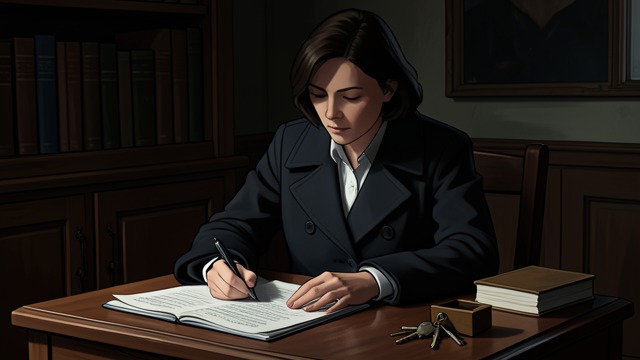
A False Lawyer Protects a Life
A Useful Fiction
Nuria invents a lawyer and a nonexistent office to receive funds tied to the Fortuny properties.
Identity as Shelter
The fabricated name gives her a way to feed Carax and hide him, making deception an act of protection rather than exploitation.
Carax Becomes Coubert
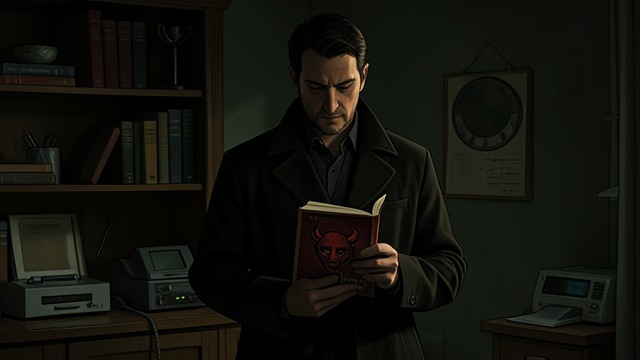
A Fictional Identity Survives
A Name from a Novel
The burned author adopts the name of the devil in his own book and acts as if the character has taken possession of him.
Identity Recovered Through Others
Daniel and Nuria continue to address him as Carax, offering a human name that he cannot yet accept for himself.
Julián's childhood
1934-1936
Summer 1936
Late 1930s onward
After 1936
